Source natural lace drawstring bread bag for food, gifts, and shopping
Compare 30 listings for natural lace drawstring bread bag options featuring custom sizes, recycled materials, and self-sealing designs. Buyers can evaluate suppliers offering customized logos, drawstring handles, and varied MOQs for food packaging and promotional gifts; compare the available evidence and request quotations based on your requirements.
Key considerations
Products List




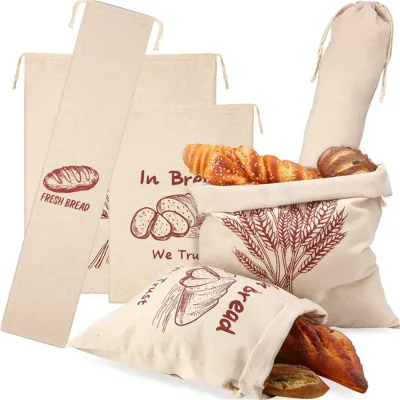

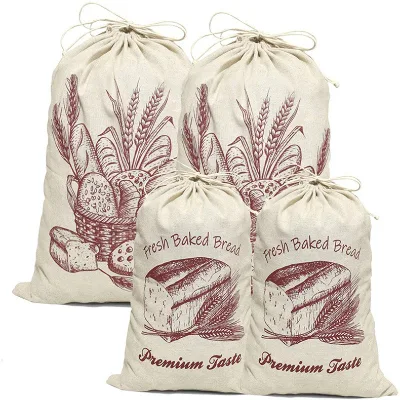
Comprehensive Sourcing Guide
Natural Lace Drawstring Bread Bag Sourcing Guide
Sourcing natural lace drawstring bread bags requires balancing aesthetic appeal with functional integrity, particularly for bakeries and artisanal food producers seeking premium presentation. The observed market signals indicate a strong emphasis on customization, with suppliers offering tailored sizes, logos, and packaging solutions to meet specific brand identities. Buyers must navigate a landscape where "natural" often refers to undyed, unbleached materials, yet the term "lace" may describe the texture or weave pattern rather than a specific fiber content. It is critical to verify whether the product is truly made from natural fibers like cotton or linen, or if it is a synthetic blend mimicking a lace aesthetic, as this distinction impacts both sustainability claims and food safety compliance.
The procurement process involves evaluating a wide range of product models, from simple bread bags to more complex drawstring pouches suitable for gifts or promotional items. Listings show significant variability in material composition, with some products explicitly stating cotton or linen construction while others remain vague. This diversity allows buyers to select products that align with their specific operational needs, whether for high-volume retail packaging or low-volume boutique gifting. However, the lack of uniformity in material descriptions necessitates rigorous sample testing to ensure the final product meets expectations for durability, breathability, and visual appeal.
Product Scope and Observed Listing Signals
The current market offers a diverse array of drawstring bags, ranging from specialized bread packaging to general-purpose gift and shopping bags. Observed listings highlight products with specific model numbers such as NC251011 and KQ-DB series, indicating a structured inventory system among suppliers. These products are often marketed with features like recycled content, customizable logos, and self-sealing or drawstring closures. The presence of "non-transparent" attributes in some listings suggests that buyers can choose between clear visibility for product inspection and opaque designs for brand protection or aesthetic cohesion. This variety allows for strategic selection based on whether the primary goal is product visibility or brand mystique.
Application scope extends beyond simple bread storage to include promotional giveaways, gift packaging, and general shopping uses. Some products are explicitly labeled for industrial use in the gift sector, while others are designed for food packaging, requiring careful distinction in sourcing. The availability of customized sizes, from standard dimensions to fully bespoke measurements, caters to both mass-market and niche requirements. Buyers should note that while many products claim to be "natural," the actual material composition varies, with some being cotton-based and others potentially synthetic. This distinction is vital for ensuring the product aligns with the brand’s sustainability narrative and functional requirements for food contact.
Technical Specifications to Verify
Verifying technical specifications is paramount when sourcing natural lace drawstring bread bags, particularly regarding material composition and dimensional accuracy. Buyers must confirm whether the "lace" texture is achieved through weaving natural fibers like cotton or linen or through synthetic processes. The observed data indicates that materials can be customized, but specific claims of "natural" or "undyed" colors require physical verification. Additionally, the sealing method, often a drawstring, must be tested for strength and ease of use to prevent accidental opening during transport. The transparency level, whether non-transparent or clear, should be confirmed to ensure it meets the visual merchandising strategy of the end-user.
Dimensional specifications also require close attention, as sizes can range from standard measurements like 15x20 cm to fully customized dimensions. Buyers should request detailed single package sizes and gross weights to calculate shipping costs and storage requirements accurately. The surface handling, such as screen printing for logos, must be evaluated for durability and alignment with food safety standards. Furthermore, the shape of the bag, whether flat or structured, impacts its stacking efficiency and shelf presence. Ensuring that the product model matches the requested specifications is essential to avoid discrepancies between the sample and the bulk order, which can lead to significant operational disruptions.
Compliance and Safety Documentation
Compliance and safety documentation are critical for any product intended for food packaging, including bread bags. Buyers must ensure that the materials used, whether cotton, linen, or other fibers, are food-grade and free from harmful chemicals or dyes. The claim of "natural undyed color" should be supported by certificates confirming the absence of toxic substances, such as heavy metals or formaldehyde. Additionally, if the product is marketed as recycled, buyers should verify the source of the recycled material and the processing methods used to ensure it meets environmental and safety standards. This documentation is essential for maintaining brand integrity and avoiding regulatory penalties.
Beyond material safety, buyers should inquire about the manufacturing processes and any relevant certifications held by the supplier. While specific certification statuses are not provided in the observed data, buyers should proactively request information on ISO standards, FDA compliance, or other relevant food safety regulations. The sealing method, particularly if it involves adhesives or additional components, must also be evaluated for food safety. Ensuring that the product meets all local and international regulatory requirements is crucial for successful market entry, especially in regions with strict food packaging laws. This due diligence protects the brand from potential liabilities and enhances consumer trust.
Cost Drivers and Commercial Terms
Cost drivers for natural lace drawstring bread bags include material quality, customization complexity, and order volume. The observed MOQ ranges from 10 to 3000 pieces, allowing for flexibility in initial orders but potentially increasing unit costs for smaller quantities. Customization options, such as specific sizes, logos, and packaging, add to the production cost but can enhance brand value. Buyers should negotiate based on volume tiers to secure better pricing, while also considering the long-term value of customized designs that differentiate their products in the market. The payment terms, often involving a deposit and balance before shipping, should be clearly defined to manage cash flow effectively.
Lead times and delivery schedules are also significant cost factors, with observed delivery dates ranging from 35 to 45 days. Buyers must plan their inventory accordingly to avoid stockouts or excess holding costs. Sample times, typically around 7-10 days, allow for quality verification before committing to large orders. Understanding these commercial terms helps in budgeting and scheduling, ensuring that the procurement process aligns with business objectives. Additionally, buyers should consider the total cost of ownership, including shipping, handling, and potential returns, to make informed sourcing decisions.
Supplier Qualification and Quality Control
Supplier qualification is a critical step in ensuring the reliability and quality of natural lace drawstring bread bags. Buyers should assess suppliers based on their production capacity, quality control processes, and track record in the industry. The observed data indicates that suppliers are located in China, with some specifically in Jiangsu province, a hub for textile manufacturing. Buyers should verify the supplier’s ability to handle custom orders and maintain consistent quality across batches. Requesting references or case studies from previous clients can provide insights into the supplier’s reliability and professionalism.
Quality control measures should be established to monitor production at various stages, from raw material inspection to final product testing. Buyers should define clear acceptance criteria for material composition, dimensions, and printing quality. Regular audits and inspections can help identify and rectify issues before shipment. Additionally, establishing a clear communication channel with the supplier ensures that any concerns are addressed promptly. By prioritizing supplier qualification and robust quality control, buyers can mitigate risks and ensure a steady supply of high-quality products that meet their brand standards.
Long-Term Procurement Checks
Long-term procurement checks involve continuous monitoring of supplier performance and market trends to ensure sustained value. Buyers should regularly review supplier metrics, such as on-time delivery rates, defect rates, and responsiveness to issues. This data-driven approach helps in identifying potential risks and opportunities for improvement. Additionally, staying informed about changes in material availability, regulatory requirements, and consumer preferences allows buyers to adapt their sourcing strategies proactively. Building a diversified supplier base can also mitigate risks associated with single-source dependencies.
Sustainability and ethical sourcing practices should be integrated into long-term procurement strategies to align with evolving consumer expectations. Buyers should encourage suppliers to adopt eco-friendly practices and provide transparent information about their supply chains. Regularly updating product specifications to reflect new trends or customer feedback ensures that the offerings remain relevant and competitive. By focusing on long-term relationships and continuous improvement, buyers can secure a reliable supply of natural lace drawstring bread bags that support their brand’s growth and sustainability goals.
FAQs
Can natural lace drawstring bread bags be customized with a logo?
Yes, these bags support customized logos and branding. The product page confirms that logo customization is available, allowing buyers to add their own designs. This feature is ideal for businesses seeking branded packaging solutions for retail or promotional use, ensuring brand visibility on every item delivered to customers.
What is the typical sample delivery time for these bags?
The sample delivery time is typically 7 to 10 days. Buyers can expect samples to be prepared and shipped within this window. This allows for quick evaluation of quality and design before committing to a larger bulk order, ensuring the product meets specific requirements for material and finish.
What is the minimum order quantity for these drawstring bags?
The minimum order quantity is generally 300 pieces, though some listings indicate 500 pieces. This MOQ allows small businesses to test the market with manageable inventory levels. Buyers should verify the specific MOQ with the supplier, as it may vary based on customization requirements and production schedules.
Are these bread bags waterproof and suitable for food packaging?
Yes, these bags are waterproof and designed for food packaging applications. The material provides a barrier against moisture, making them suitable for storing bread and other baked goods. This feature helps maintain freshness and protects the product from external elements during storage and transportation.
What is the estimated lead time for bulk production?
The estimated delivery date for bulk orders is 35 to 45 days. This timeframe accounts for production, quality control, and shipping preparation. Buyers should plan their inventory needs accordingly to ensure timely delivery, especially during peak seasons or when customizing specific design elements.
Can the size of these drawstring bags be customized?
Yes, the size of these bags can be customized to meet specific needs. The product page lists size as a customizable attribute, allowing buyers to choose dimensions that fit their products. This flexibility ensures that the packaging is appropriate for various item sizes, from small gifts to larger bread loaves.